Sub-Total: $0.00
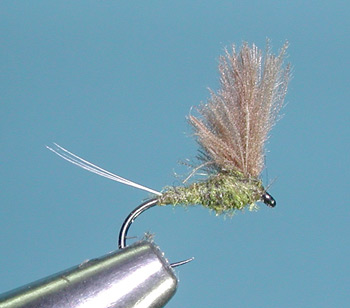
Blue Wing Olive – a winter time hatch in the Sierra
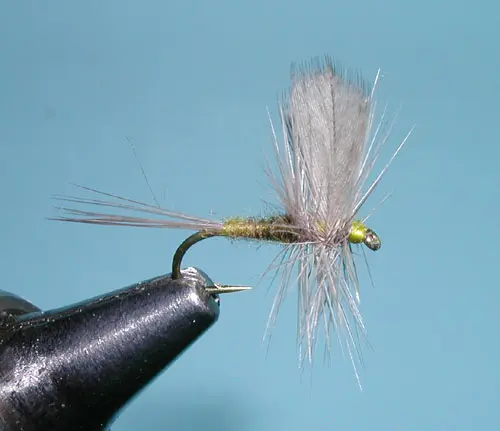
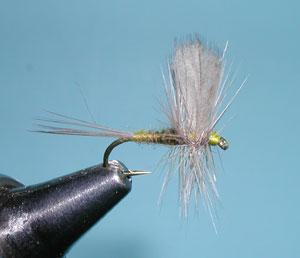
Blue Wing Olive
Tying Instructions
Tying Instructions: Catskill Dry, BWO
1. Attach the hook to the vise and attach your thread just behind the eye. Wrap to the 1/2 position on the shank and, then, back to the 1/3 position. This is where you will attach the wing.
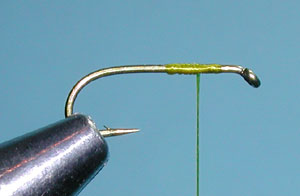
2. Choose two hen hackle tips which are about the twice the hook gap in width. Try to select hackles that have a squared tip rather than a narrow taper. The length of the wings should be from the eye to the bend of the hook.
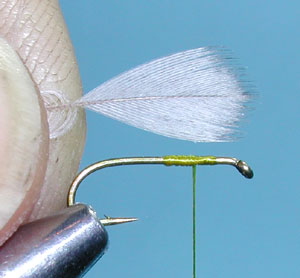
3. Sweep the barbs back from the hackle to the desired length. Place the two hackles back to back with the curve of the hackles opposing each other. Keep the wing tips even. Place the two hackles on top of the shank with the clean quill, exposed from the swept barbs, directly over the tie down position. Apply two pinch wraps to secure the hackle to the tie down position.
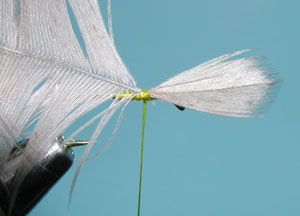
4. Add a couple of tight wraps and trim off the butt ends.
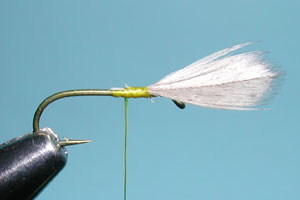
5. Wrap the thread forward and hold the hackle tips back while building thread wraps in front of the hackle. This will allow the hackle to stand upright.
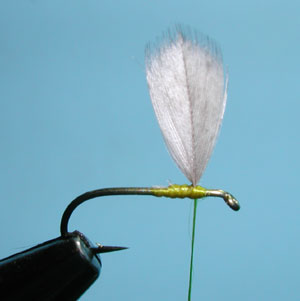
6. Utilize some “x” wraps to divide the hackle tips.
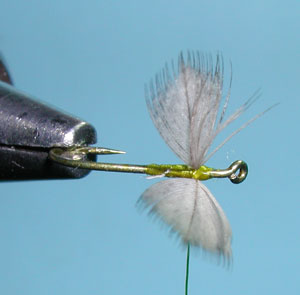
7. Wrap the thread back to the tail tie-in position.
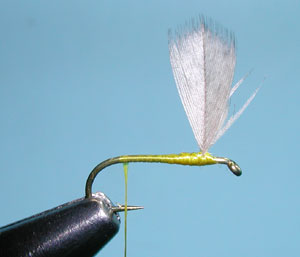
8. Select some tailing fibers from a spade hackle keeping the tips even. Measure the tailing fibers so that they are equal to the hook shank.
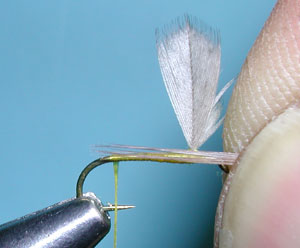
9. Place the tailing bundle against the hook shank and let the thread tension bring the bundle to the top of the shank. Secure with two to three additional wraps.
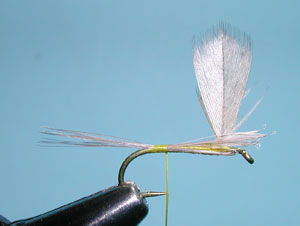
10. Wrap the thread forward securing the tail bundle to the top of the hook shank. Near the base of the wing, lift the tag end of the tail fibers and trim off. Wrap the thread covering all of the tail fibers.
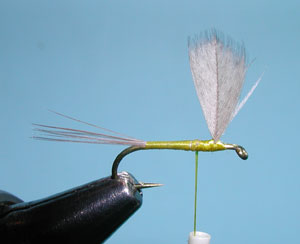
11. Bring the thread back towards the tail tie in position and apply a small amount of dubbing to the thread. Wrap back to the tail tie in position so that the dubbing will just start at that position.
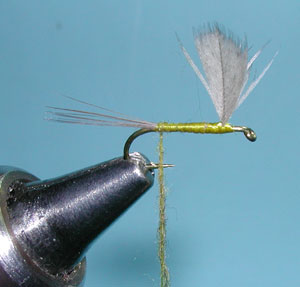
12. Wrap the dubbing forward for a tapered body stopping just behind the wings.
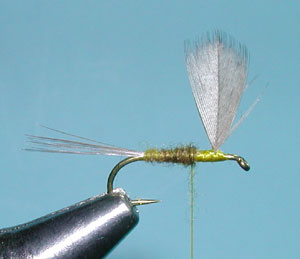
13. Bring the thread in front of the wind. Attach a sized hackle with the butt end in front of the wing. The quill of the hackle should face you. Secure the butts with thread wraps in front of the wings.
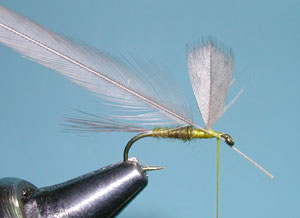
14. Bring the hackle back to crease the quill in front of the wing. Then wrap the hackle in front of the wing and behind it. Wrap the hackle back forwards with wraps behind and in front of the wing. Lift the hackle to secure with a couple of thread wraps.
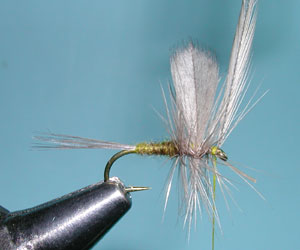
15. Clip off the hackle tag end and cover with thread wraps. Create a small head and whip finish.
| Materials
to Order Material, click the link |
|
|---|---|
| Hook | TMC 100 #16-20 or TMC 102Y #15-19 |
| Thread | Danville Flymaster 6/0 Light Olive |
| Body | Blue Wing Olive Superfine |
| Tail | 8-12Medium Dun Spade Hackle Fibers |
| Wing | Dun Hen Hackle Tip |
| Hackle | Medium Dun Hackle |
Blue Wing Olive
Life Cycle
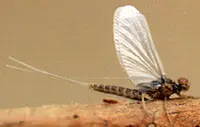
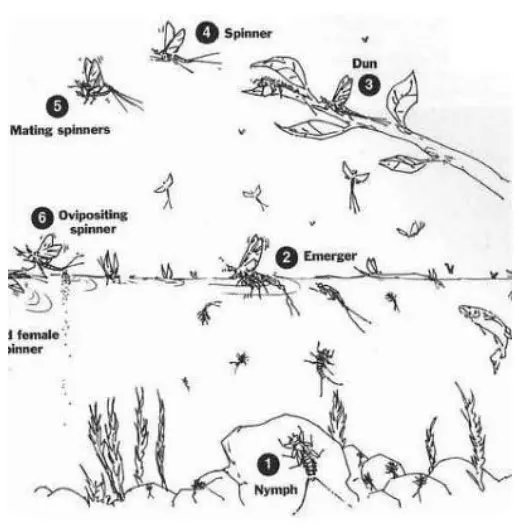
The Blue Wing Olive mayfly might be considered to begin its life cycle on the bottom of the stream or river as a nymph. The nymph will spend 2-3 months within this form undergoing multiple moltings. When conditions are favorable, ie a cold rainy day, the nymphs will rise to the surface to “hatch”. BWO nymph’s are, generally, good swimmers hence with a torpedo-like shape. Often, the nymphs will quickly swim to the surface when they are ready to “hatch” or they take their time and drift for a period of time. Once the nymph reaches the surface, the nymph has to penetrate the surface film with the top of its back and split open.
A dun emerges from the nymphal shuck and lofts into the air. Additionally, the dun may also ride on the surface with extended legs as the wings dry before lifting off for streamside vegetation. BWO’s are rather small, in sizes 16 to 20, and are vulnerable during this time of emergence. Once the duns are able to get upon the vegetation, they will molt into spinners and the males and females will finally mate. Eventually, the female will return to the water surface to lay eggs. Some females will actually swim back down to the river bottom and lay the eggs directly onto the streambed. Finally, the females will expire on the surface with it’s wings outstretched, this is known as the “spinner fall”.
Hatches
Primarily, Blue Wing Olives prefer to hatch when it’s cool and drizzly, often in early to mid-afternoon. Although Blue Wing Olives can hatch throughout the winter, in the higher elevations of the Sierra you will most likely encounter hatches during late September through November and another hatch period in the Spring during March through June. Overall, hatches will not show up during the hot months of summer or when the winters are brutally cold. However, the lower elevations such as the Lower Owens river will have BWO hatches throughout the winter. Indeed, hatches might occur at any time. Typically, the life cycles are short, only 4 months. Ultimately, there might be 2-3 generations of BWO’s each year. The spinner adults will have varying shades of olive, gray, and brown. The wings will chiefly have a dark and smoky/blue color.
The streams or rivers with the greatest concentrations of Blue Wing Olives will have slow to moderate flowing water. Generally, back eddies can be very productive as well as foam lines.
Patterns to consider
Within the dry fly category, we have Blue Wing Olives with the standard Catskill pattern, Extended Body, and the Thorax Dun. The emergent forms are very important as the fish key upon this stage. Parachute patterns often cover this emergent form by presenting the body of the fly within the surface film. In particular, Parachute patterns allow for good visibility with a Hi-vis wing post. However, other important emergent forms are the RS2, Brooksprout, and CDC Dun. Another good fishing tip is to use a BWO dry fly with a BWO emerger trailing the dry by 24 inches.
Lifecycle of BWO
Other Patterns
Thorax Dun, BWO
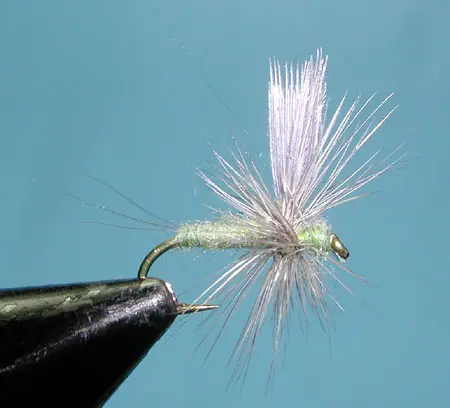
| Hook | TMC 100 #16-20 |
| Thread | Uni-thread Olive 8/0 |
| Body | Golden Olive, Superfine |
| Tail | Light Dun Microfibetts |
| Wingpost | Medium Dun Turkey Flat |
| Hackle | Light Dun Hackle |
Tying Instructions
1. Attach thread and apply a small thread mound at hook bend. I like to start the thread at the location where I’ll place the wing, it gives a point of reference.
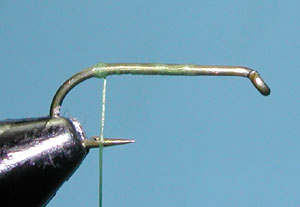
2. Tie in 5-6 Blue Dun Hackle fibers for the tail, one length of hook shank. The thread mound will splay the Dun Hackles when the thread is tightened behind the mound. Wrap the butt ends of the microfibetts to the wing tie-in position.
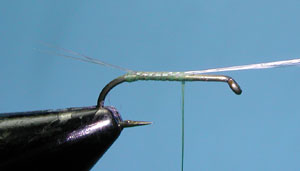
3. Tie in a 1/4″ wide section of Turkey Flats for a wingpost. Keep the tips of the flat aligned. Wing should be about the length of the hook.
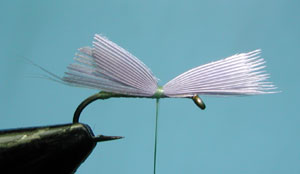
4. Lift the butt ends of the Turkey Flat and trim at an angle. Secure the butt ends with thread wraps. Apply a couple of wraps beneath the wing to lift it up and secure against the butt wraps.
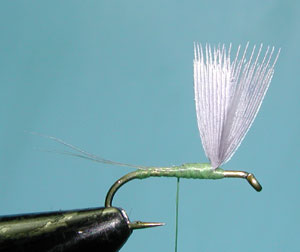
5. Wrap the thread back to the tail tie-in position and place a thread wrap between the fibers so they achieve a 45 degree split.
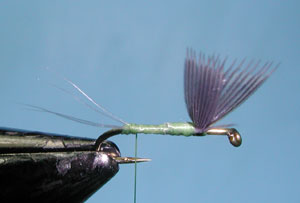
6. Apply a small amount of dubbing to the thread and wrap a tapered abdomen up to the base of the wing. Apply some additional dubbing around the wing base with some “X” wraps from behind the wing base to the front of the wing base.
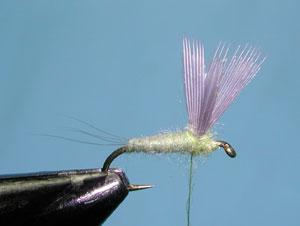
7. Select a Light Blue Dun Hackle that is one size smaller than the standard for the hook size. I’m using a size 18 hook, so this hackle is size 20. Anchor the base of the hackle in front of the wing with the hackle pointing to the rear.
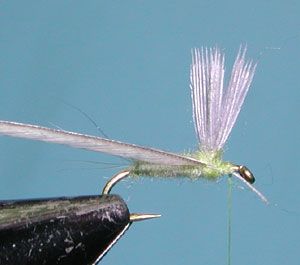
8. Select a second hackle that is one size larger than the standard to the hook size. On this fly, it is a size 16. Anchor the hackle at the same position as the first hackle.
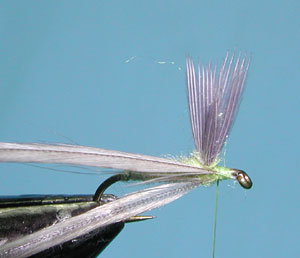
9. Wrap the larger hackle so that it is forward of the wing on the top of the shank and behind the wing below the shank. 3 wraps is normal and secure the tag end with thread wraps just behind the eye.
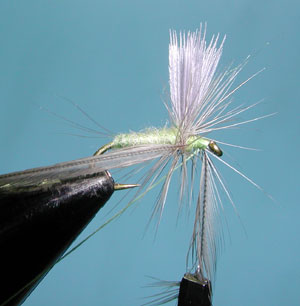
10. Trim off the tag end and apply a few more thread wraps. Attach the hackle pliers to the second hackle for wrapping towards the rear.
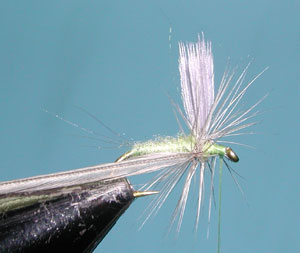
11. 3 wraps is usually enough. This hackle will cross the first hackle just below the wing. Secure the tag end just behind the eye with some thread wraps.
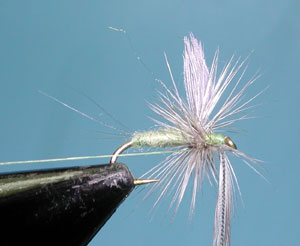
12. Trim off the tag end and wrap a small head. Whip finish.
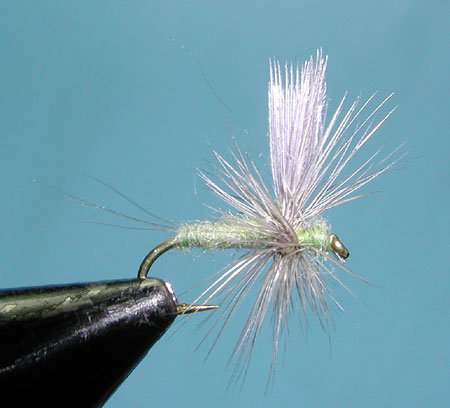
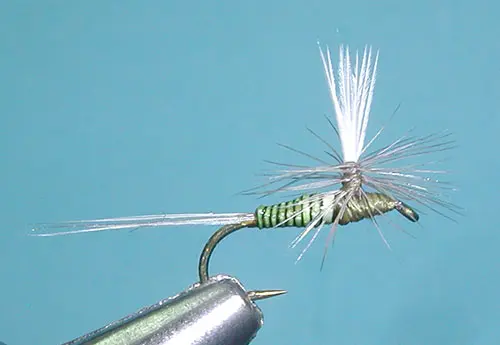
Quilled Parachute, BWO
| Hook | TMC 100 #16-20 |
| Thread | Uni-thread Olive 8/0 |
| Body | BWO Dyed Quill |
| Thorax | Blue Wing Olive Superfine |
| Tail | 8-12 Medium Dun Spade Hackle Fibers |
| Wingpost | White Turkey Flat |
| Hackle | Medium Dun Saddle |
Tying Instructions
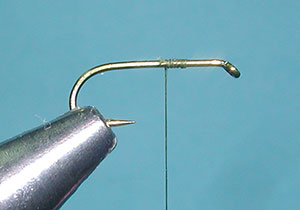
1. Flatten the barb of the hook with your vise and secure the hook at the bottom of the hook bend. Attach the thread at the 1/3 position of the hook shank wrapping a thread foundation to the bend of the hook.
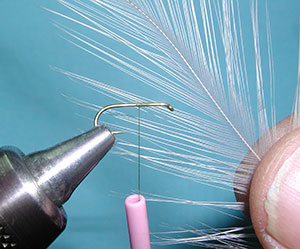
2. Select about 6-8 stiff hackles from a spade hackle. You can procure these hackles from the sides of a cape or purchase a tailing pack with these hackles.
3. The length should be slightly longer than the hook shank. Attach the tailing fibers at the bend of the hook and wrap the tag ends to about the 1/3 position. Clip off the tag ends of the tailing fibers.
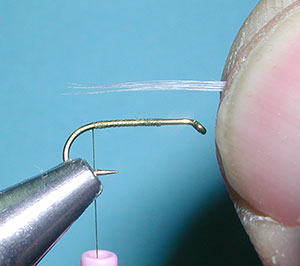
4. Select a 1/4 inch section of Turkey T-Base for the wingpost. Note how the T-base has a flat and even tip. You should clip this section with a cut that is parallel to the tips.
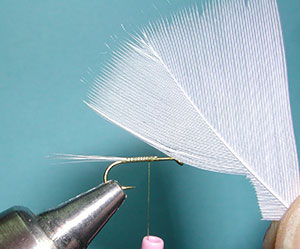
5. Keeping the tips aligned, roll the segment and position the tie-down at the area in front of where you trimmed the tailing butts. The wing post should be the length of the hook shank.
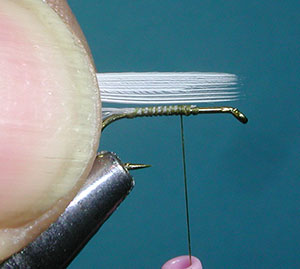
6. A.K. likes to hold the segment at a 45 degree downward angle in front of the shank. With 2 soft thread loops, the bundle will position itself on top of the shank upon tightening the thread.
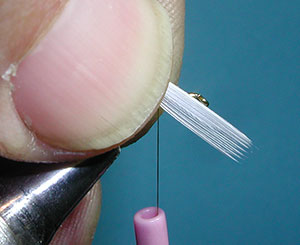
7. Trim the butt ends of the T-Base and wrap to cover the clipped butts.
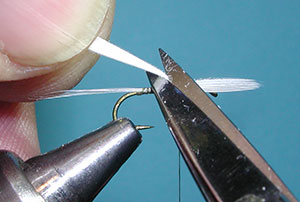
8. Try to wrap an even taper. Lift the wingpost tips and wrap 7-8 turns against the front of the wingpost to hold the wingpost upright.
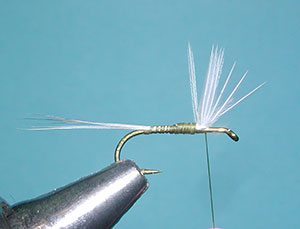
9. Wrap 7-8 times around the base of the wingpost to give support to the hackle. This is easily done with a rotary vise rotating the wingpost towards you.
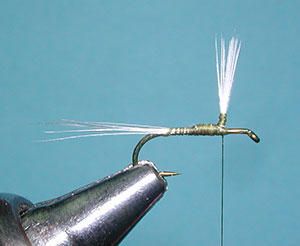
10. Select a hackle stem and clip the quill where the diameter of the quill is about the same as the diameter of the shank.
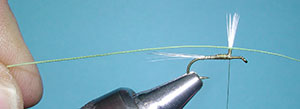
11. This clipped tip is then attached to the side of the hook shank and secured with thread wraps to the tail tie-off position.
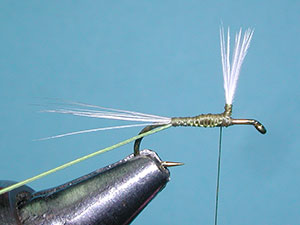
12. Wrap the quill forward. At the wingpost, secure the quill with some tight thread wraps behind the wing post.
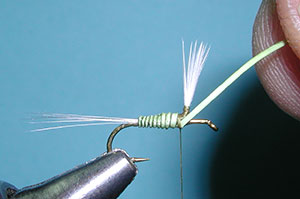
13. Then, bring the quill underneath and tie-off the quill in front of the wingpost.
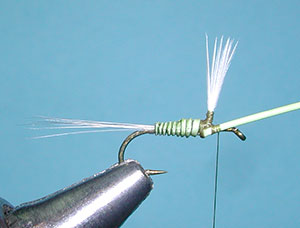
14. Clip the butt and wrap over. Apply some UV Clear Fly Finish, Flow to the quill body.
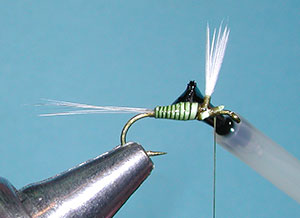
15. Harden the coating with a UV lamp.
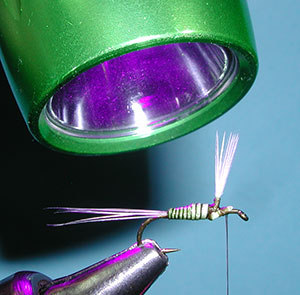
16. Select a stiff Dun Hackle about one size larger than the hook size. Clip three hook-eye lenths of fibers from the stem shiny-side up. This helps keep the fibers from twisting the hackle. Tie the butt end in front of the wingpost nearest you. Also put a couple of wraps around the base of the wingpost to anchor the hackle to the wingpost.
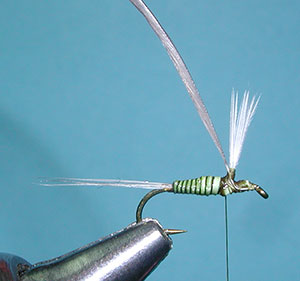
17. Build up a thread thorax and head covering the hackle and quill body butt ends.
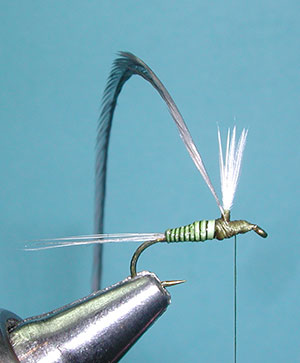
18. Wrap the hackle 4-5 turns around the wingpost proceeding in a downwards direction. Wrap the thread at the base of the wingpost just above the tag end of the hackle 2-3 times to secure the hackle wraps.
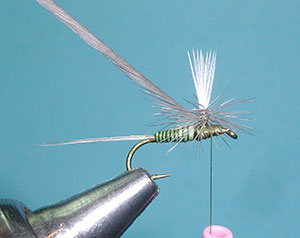
19. Bring the hackle tip over the hook eye and underneath the thread. Bringing the thread over the hackle tip will lock the hackle into place. Wrap the thread around the hackle tip two more times before trimming the tip. Lift the hackles from above the hook eye and wrap to further secure and cover the hackle tip. Apply 2-3 half hitches.
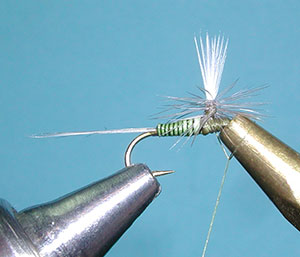
20. Apply some head cement at the head and also at the base of the wingpost. The finished Quill Parachute, BWO.
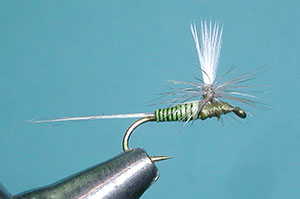
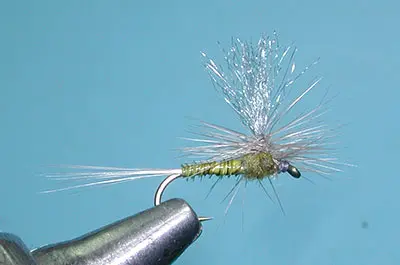
Biot Body Parachute Dun, BWO
| Hook | TMC 100 #16-20 |
| Thread | Veevus 14/0 Gray |
| Body | Olive Turkey Biot |
| Thorax | Olive Superfine |
| Tail | 8-12 Medium Dun Spade Hackle Fibers |
| Wingpost | Z-lon Dun |
| Hackle | Medium Dun Saddle |
Tying Instructions
1. Attach the hook to the vise and lay a thread foundation from behind the eye to the bend of the hook.
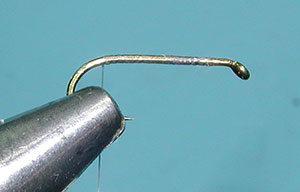
2. Select about 6-8 stiff hackles from a spade feather. The length should be the same length as the hook shank. Attach the tailing fibers at the bend of the hook and wrap the tag ends to about the middle of the shank. Trim the tags and wrap over.
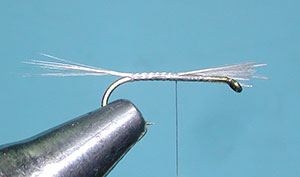
3. Select 3 CDC feathers with a prominent stem for the wingpost. Keeping the tips aligned and position the at the 3/4 position of the hook shank.
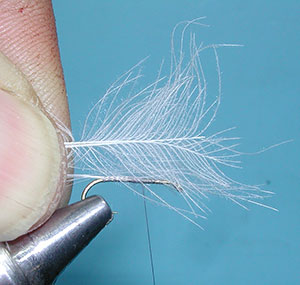
4. Apply 2-3 tight wraps and trim off the tag ends. Secure with additional wraps over the ends and continue to thread wraps to the bend of the hook.
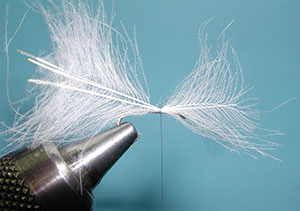
5. Select a goose biot and secure the tip to the bend of the hook with the notch facing downwards.
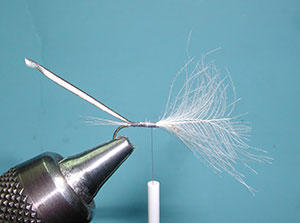
6. Wrap the biot forward. These are short so secure the end of the biot behind the wingpost with thread wraps.
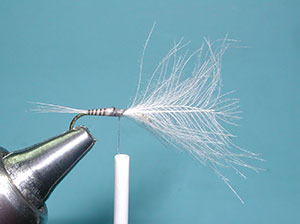
7. Lift the CDC wingpost upwards and apply a number of thread wraps just in front of the post to keep the wingpost upright.
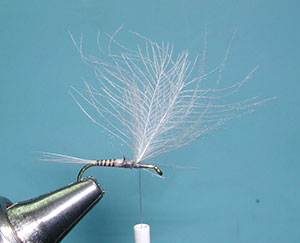
8. Next wrap around the base of the wingpost to provide a sturdy post for the hackles.
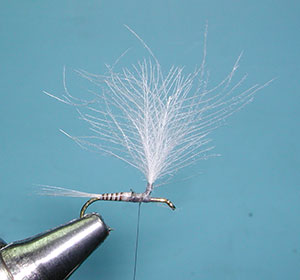
9. Attach the two hackles by their base to the front side of the wingpost. Leave enough bare quill of the hackle base so that it can be anchored cleanly to the vertical base of the wingpost with thread wraps without capturing any hackle fibers.
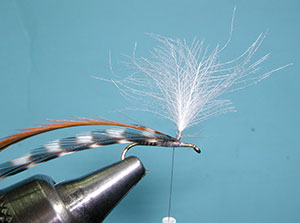
10. Secure the hackle base to the side of the wingpost.
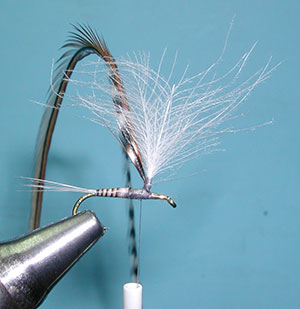
11. Apply dubbing for a thorax around the wingpost, hiding the hackle ends.
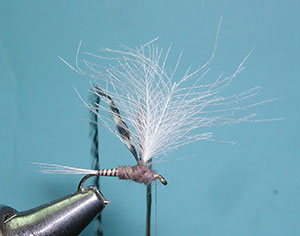
12. Wrap the hackle around the base of the wingpost 3-5 times and secure the hackle with a couple of thread wraps just behind the eye of the hook.
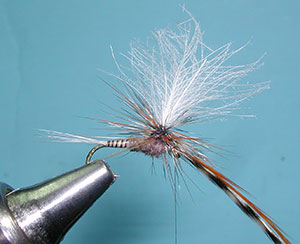
13. Wrap a small thread head and use a half hitch tool to secure the thread. Then lift up on the hackle and apply a whip finish. A drop of head cement is recommended. I also trimmed the CDC somewhat for a cleaner appearance.
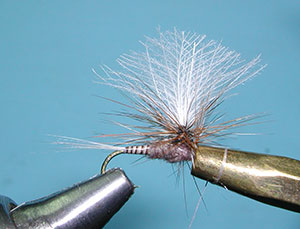
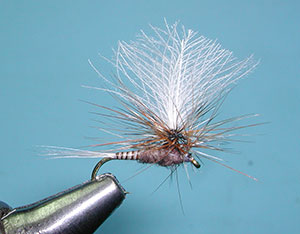
14. The finished CDC Biot Parachute, Adams.
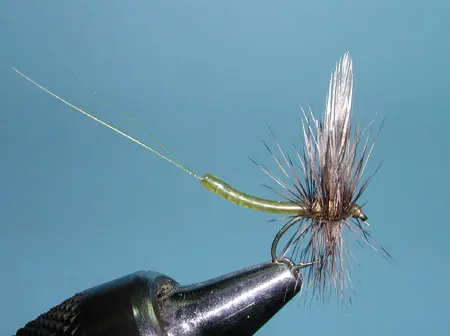
Extended Body, BWO
| Hook | TMC 2487 #16-18 |
| Thread | Uni-thread Olive 8/0 |
| Body | Olive Hollow Tubing, standard |
| Thorax | Blue Wing Olive Superfine Dubbing |
| Tail | 3 Olive Microfibetts |
| Wing | Medium Dun Hen Cape Hackle |
| Hackle | Grizzly Dun Hackle |
Tying Instructions
Tying Instructions: Extended Body Mayfly, BWO
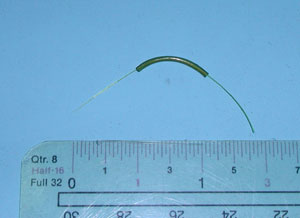
1. Cut a piece of Olive Hollow Tubing, Standard size about 3/4″ in length. Slip three microfibetts inside. (You may have to do this one at a time, it’s a small hole). By evening the butt ends, the tips should be even and adjust the fibetts to the length you desire. 1/2″ to 3/4″ is good.
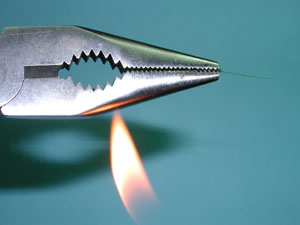
2. Place the tubing in a serrated pliers. (I’m using a leatherman tool). Be sure that all of the tubing is within the pliers. The microfibett tails will be hanging out the end of the jaws. Place a flame at the base of the pliers for a short time interval, 10-15 seconds. Do not allow the flame to get near the microfibetts, they’ll shrivel at once.
3. Place the scud hook in the vise and attach the thread behind the eye laying a small thread foundation for the extended body.
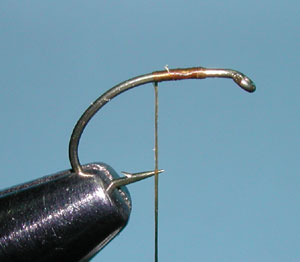
4. Attach the body to the hook shank. I adjusted the length of the body to be about 3/8 inches. Note the markings from the heated pliers leaving a segmented appearance. The marks will be more pronounced toward the tip of the body since the thinner portion of the plier jaws will convey heat more quickly.
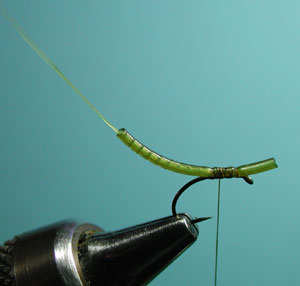
5. Next, place a drop of superglue to the thread wraps that attach the body. Use a bodkin needle to smooth out the drop evenly over the wraps. Make sure that no glue gets over the eye of the hook.
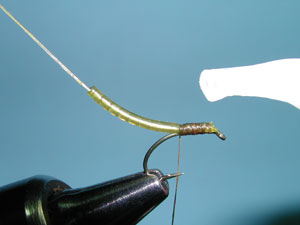
6. Separate the fibetts and apply another drop of glue to the base of the fibetts where they emerge from the tubing. Again, use a bodkin to apply and spread the glue evenly to the area.
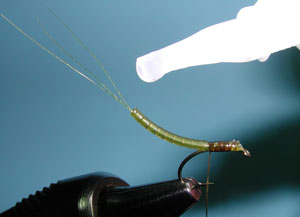
7. Select two Hen Cape Hackles and remove the basal fibers from the bottom of the quill until you get the length you desire. The hackle length equalling the length of the extended body is a good proportion.
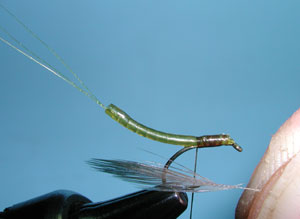
8. Attach the hackles with the shiny side facing outwards, to the top of the tubing about midway on the shank.
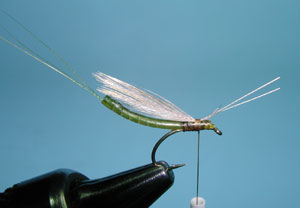
9. Wrap the thread behind the pair of hackles to prop them in a vertical position. Apply a couple wraps in front of the pair to keep them from going forward. Trim off the butts of the quills and secure with some additional thread wraps.
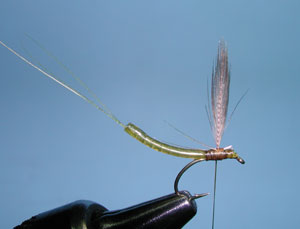
10. Next, split the two hackles into a 45 degree angle by applying an x-wrap of thread between the pair. Do this with only a few wraps at the base.
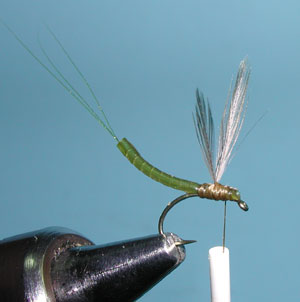
11. Attach a dry fly hackle by the exposed quill to the side of the shank facing you. This should be behind the hackle wings with the dry fly hackle fibers facing upwards. You want the shiny side of the hackle facing the front of the fly as you wrap forward.
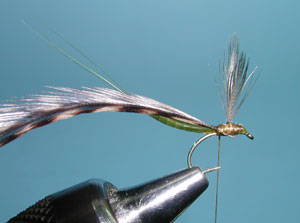
12. Apply some Superfine Dry Fly Dubbing to the thread at the base of the thorax. Use only a small amount of material and push the twisted fibers up the thread to the shank. Give one wrap to lock these fibers in and you can twist the material further for more compactness.
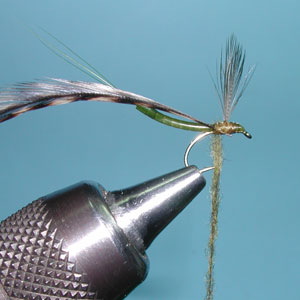
13. Wrap a tight body on each side of the wings. Don not crowd the eye. This dubbing forms the base in which we will wrap the hackle around.
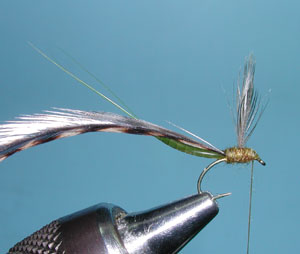
14. Wrap the hackle with three wraps behind the wings and three wraps in front of the wings. Secure the hackle from beneath the hook behind the eye. You can minimize trapping fibers by pulling the hackle upwards and locking in the quill with the first thread wrap, then bring the hackle downwards to allow the thread to go over the exposed quill without trapping the top fibers. Do this technique about 3 times to ensure a good anchor.
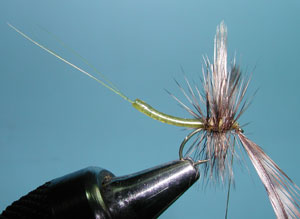
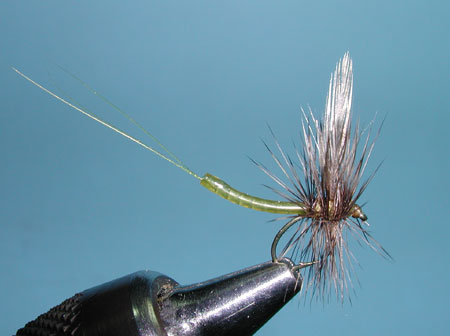
15. Trim off the excess hackle and secure with some thread wraps behind the eye. Whip Finish.
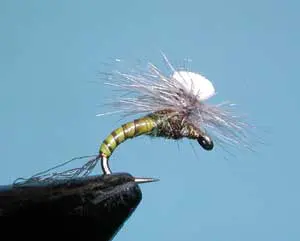
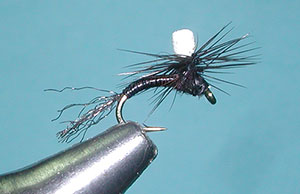
Brooksprout, BWO
| Hook | Daiichi 1120 #16-22 |
| Thread | Uni-thread Olive 8/0 |
| Body | Olive Turkey Biot |
| Thorax | Blue Wing Olive Superfine |
| Shuck | Olive Brown Z-lon |
| Wingpost | 1/16 |
| Hackle | Light Blue Dun Hackle |
Tying Instructions
1. Attach the thread to the 1/3 position of the shank.
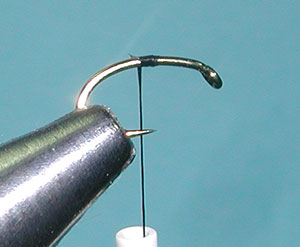
2. Tie in about a dozen Z-lon fibers for a shuck, don’t worry about the length we will trim that later.
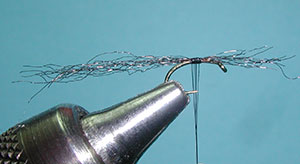
3. Wrap the Z-lon with even thread wraps to the midpoint of the hook curve and trim the butts.
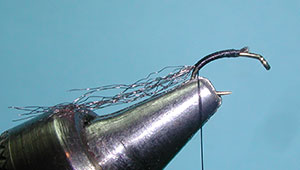
4. Trim the Z-lon shuck so that it is about the same as the hook gap.
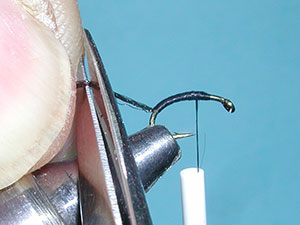
5. Prepare a stripped Ostrich Quill be removing the fibers with an eraser.
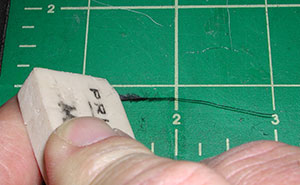
6. Attach the stripped Black Ostrich herl by the tip on top of the hook shank and secure with thread wraps to the shuck tie-in location. Wrap the stripped Black Ostrich herl to the 3/4 position of the shank and secure with a couple of thread wraps. Trim off the tag end.Tie in the 1/16 Round Rainy foam. The height of the foam should be about the hook gap.
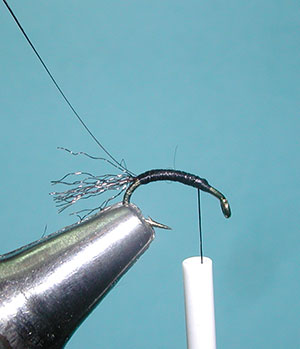
7. Wrap the stripped Black Ostrich herl to the 3/4 position of the shank and secure with a couple of thread wraps. Trim off the tag end.
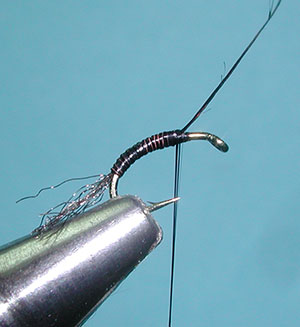
8. Apply a UV flow fly finish to the quill body to protect the quill from breakage.
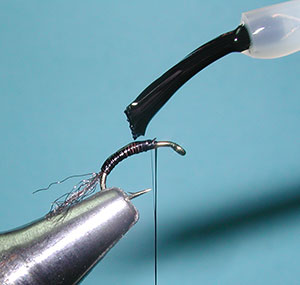
9. Use a UV lamp to harden the coating.
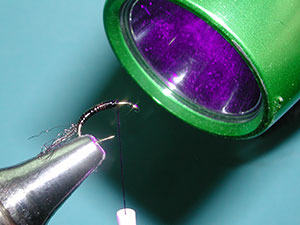
10. Tie in the 1/16 Round foam at the tip of the foam just behind the eye of the hook. Use 4-5 tight wraps.
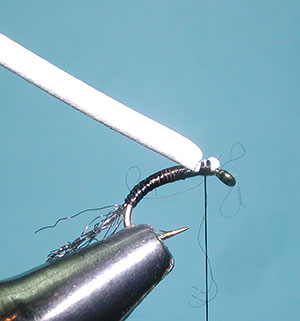
11. Place a few wraps behind the foam post to lift it up. Apply some thread wraps to the base of the post anchoring the thread in front of the post on the hook shank.
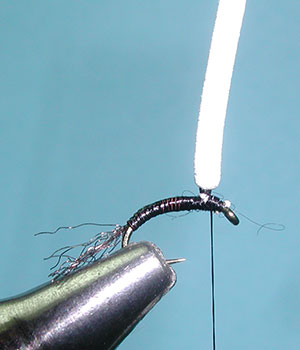
12. Apply some more thread wraps at the base of the foam for a hackle post that is about the same length as the eye of the hook. Bring the thread in front of the post behind the eye.
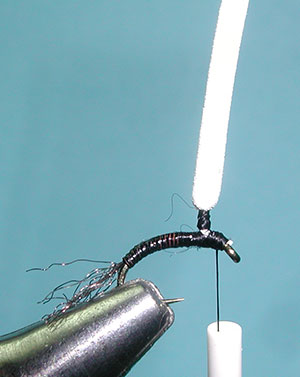
13. Attach a Black Hackle by the butt to the side of the hook shank in front of the foam wingpost. The hackle should be bare along the foam post so that you can secure the hackle butt with thread wraps up the the top of the foam post that was created. No hackle fibers should be trapped while secure the butt end of the hackle. Dub a thorax with the Superfine. Wrap a parachute hackle with 3-4 wraps. Tie down and trim. Apply a few half hitches. The foam post can be trimmed further if desired. Finish the fly with an application of head cement behind the eye.
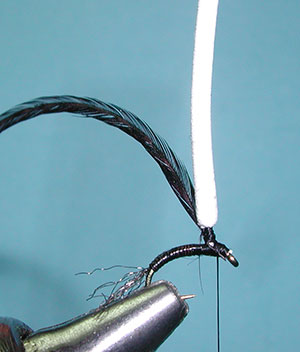
14. Apply Superfine dubbing to the thread, you don’t need much.
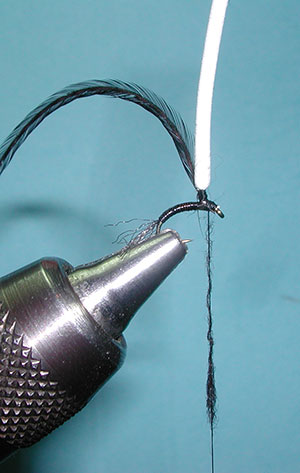
15. Dub a thorax with the Superfine both in front and behind the foam wing post.
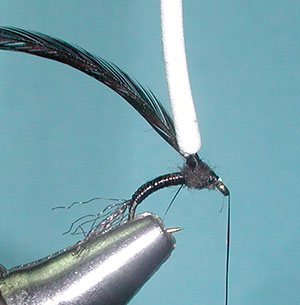
16. Wrap a parachute hackle with 3-4 wraps. Secure the hackle with 3 tight wraps at the base of the foam post between the hackle fibers and the tag end of the hackle.
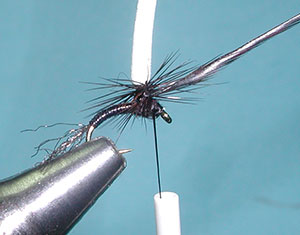
17. Leaving the thread hanging down keeping tension, trim off the tag end of the hackle. Apply a few half hitches. The foam post can be trimmed further if desired. Finish the fly with an application of head cement behind the eye.
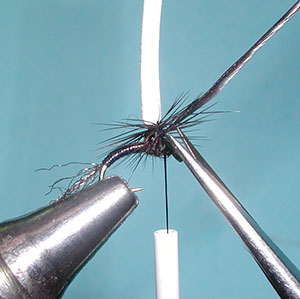
18. Apply a few half hitches.
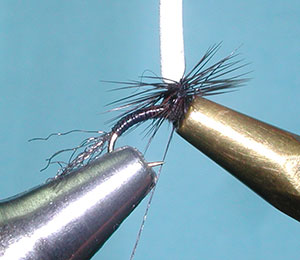
19. The foam post can be trimmed to about the same length as the hook gap.
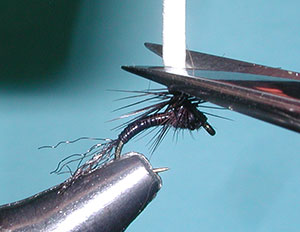
20. Finish the fly with an application of head cement behind the eye.
CDC Dun, BWO
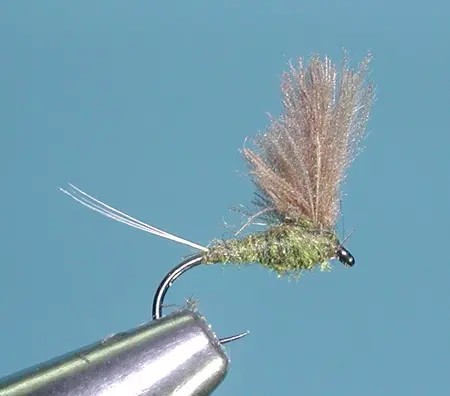
| Hook | TMC 103bl #19-21 |
| Thread | Uni-thread Olive 8/0 |
| Body | Blue Wing Olive Superfine |
| Thorax | Blue Wing Olive Superfine |
| Tail | Light Dun Tailing Fibers |
| Wing | Med Dun CDC |
| Hackle | Ginger Hackle |
Tying Instructions
Tying Instructions: CDC Baetis Dun
1. Attach the thread behind the eye and lay a thread foundation to the bend of the hook.
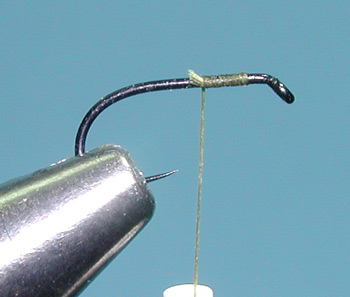
2. At the bend of the hook, create a small bump of thread to help splay the tail fibers. Select 4-5 tailing fibers with the tips even and secure just in front of the bump with two thread wraps. Pull the tag ends until the tail length is equal to the shank length.
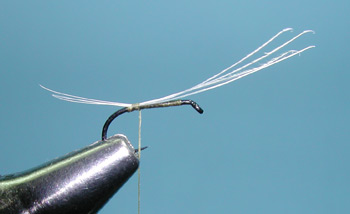
3. Place your thumbnail under the tailing fibers to splay them, then secure with 3-4 tight wraps just in front of the bump.
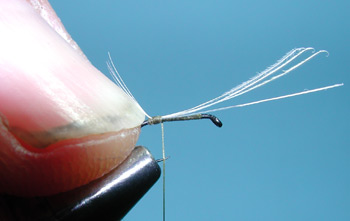
4. Wrap the thread forward securing all of the tag end up to the thorax position. Trim off the reamaining tag ends.
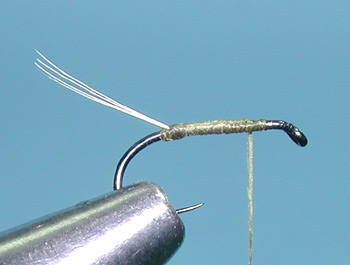
5. Wrap back to the tail and dub a small amount of Super Fine dubbing around the thread. Wrap the dubbed thread around the shank once to secure the fibers to the shank, then twist the dubbing around the thread to tighten the material.
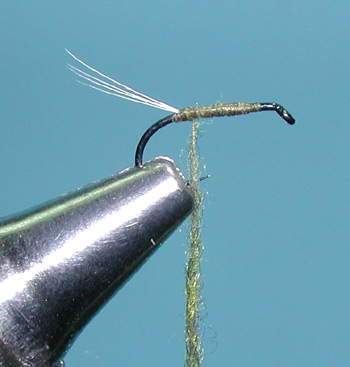
6. Wrap the dubbing forward into a tapered body, stopping at the 3/4 position where the thorax will be.
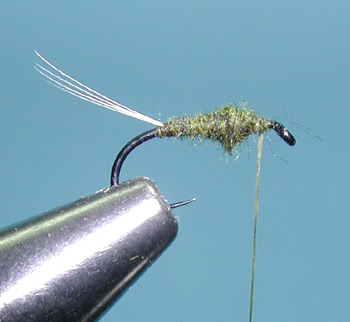
7. Select two plumes of CDC with the tips even. Place the plumes on top of the hook shank and secure with two thread wraps at the 3/4 position.
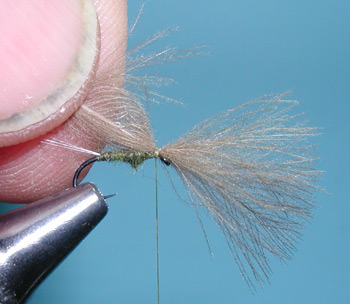
8. Grasp the tag ends of the two CDC Plumes and pull the material until the tips are about one shank length long. Then secure with a couple of tight thread wraps.
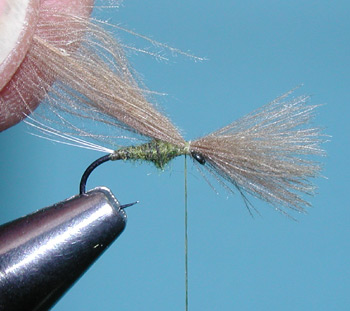
9. Wrap the thread in front and behind the CDC to lift the material into a vertical position.
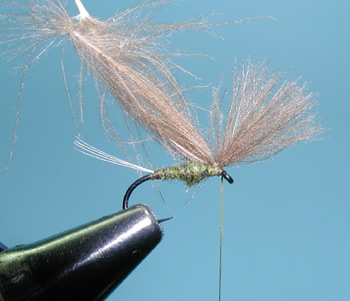
10. Trim the rear tag end at a slant cut where the inner fibers are almost as long as the front section,
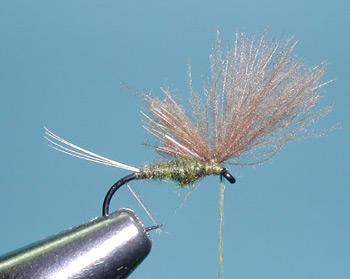
11. Secure some additional dubbing to the thread for a thorax.
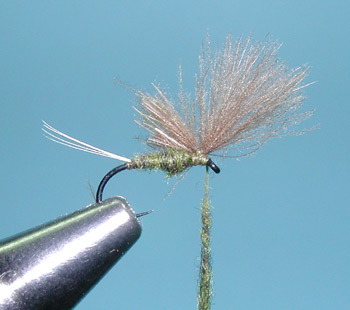
12. Wrapping the dubbed thread in a figure eight around the CDC plumes will lift the material into a vertical position. Wrap a small thread head and whip finish.