Parachute Adams – proven and admired through time
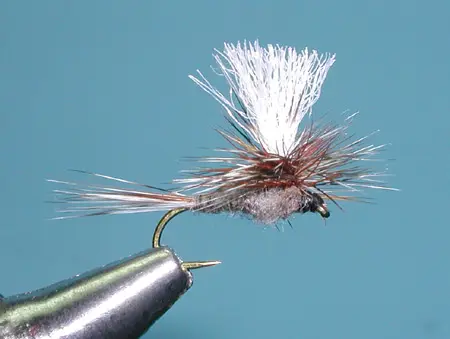
Parachute Adams

Parachute Adams Materials to Order Material, click the link Hook Thread Body Tail Wingpost Hackle Parachute Adams The Parachute Adams does so well on it’s own that often it can be considered upon it’s own merits rather than just a variation of the original Adams fly designed by Leonard Halladay in 1922. One problem with…

Read More
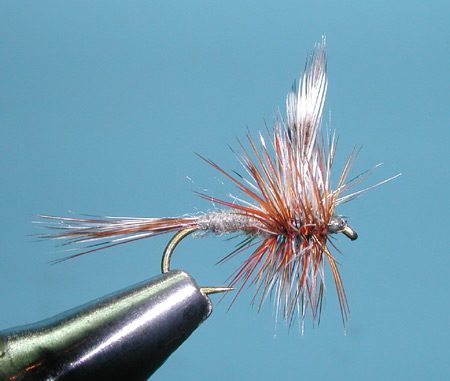
Adams – the best fly ever

Adams

Adams Materials to Order Material, click the link Hook or Thread Body Tail Wings Hackle Adams The Adams is considered to be an attractor pattern. Although it was originally tied for a caddis imitation with a downwing, the wing subsequently became upright to represent many other insects such as mayflies, midge clusters, or a large…

Read More

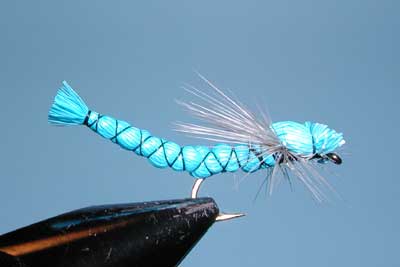
Parachute Blue Damselfly – look in awe.. no wings

Blue Damsel Parachute

Parachute Blue Damselfly Materials to Order Material, click the link Hook Thread Body Ribbing Wingcase and Wingpost Hackle Parachute Blue Damselfly The Parachute Blue Damselfly is often tied with bundled deer hair for floatation and to create an extended body. The pattern utilizes the deer hair as a wing post and a thorax by bringing the…

Read More

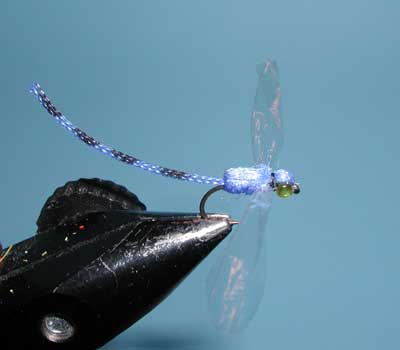
Stalcup’s Zing Damselfly – amazing, no more twists

Blue Damselfly

Stalcup’s Zing Damselfly Materials to Order Material, click the link Hook Thread Extended Body Eyes Wing Thorax Stalcup’s Zing Damselfly Stalcup’s Zing Damselfly was designed by the late Shane Stalcup. Shane was an innovative fly tier out of Boulder, Colorado. He tended to use newer synthetic materials to closely imitate the actual insect. Many of…

Read More

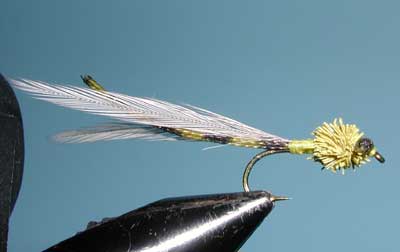
Burk’s Damsel – a great choice for windy days

Burk's Damsel Olive

Olive Damsel Materials to Order Material, click the link Hook Thread Extended Body Thorax Eyes Wings Legs Burk’s Damsel Designed by Andy Burk. Damselflies feed on other insects; primarily midges, mayflies and mosquitos. They appear when the sun is out along the edges of ponds and lakes. Under windy conditions, the damselflies will rest within…

Read More

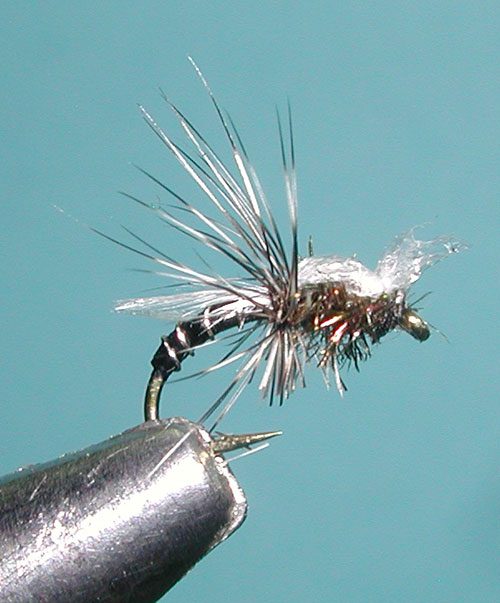
Stillborn Midge – an easy meal for trout

Stillborn Midge

Stillborn Midge Materials to Order Material, click the link Hook Thread Body Thorax Ribbing Wing Wingcase or White Packaging low density Foam Hackle Stillborn Midge Midges hatch year-round and even when other major hatches are in progress, the midges continue to be a food source for the trout. The winter months are often considered to…

Read More

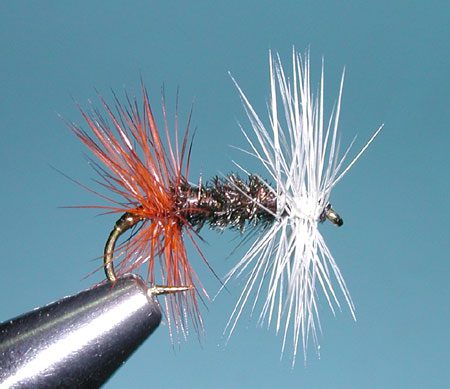
Renegade – proven and versatile pattern

Renegade

Renegade Materials to Order Material, click the link Hook Thread Body Tag Front Hackle , 1-2 sizes larger than Rear hackle Rear Hackle Renegade The Renegade is a Fore and Aft pattern can be used on both river and lake. In small sizes it can work as a midge cluster pattern and, in larger sizes,…

Read More

Mother Shucker – the midge is stuck in the shuck

Mothershucker Gray

Mother Shucker Gray Materials to Order Material, click the link Hook Thread Body Shuck Thorax Hackle Post Mother Shucker A foam body for a midge is not often used but, if you can do it, it provides great floatability. In Utah, there are some very large midges, in fact the “mother” of all midges, the…

Read More

Martis Midge – an emerging snack for trout

Martis Midge

Martis Midge Materials to Order Material, click the link Hook Thread Body Tail Wing Hackle Martis Midge Designed by Ralph Cutter, a fly fishing guide and naturalist from Nevada City, CA. The Martis Midge imitates the emerging blood midge which can be found in most of the alkaline lakes of the Eastern Sierra. The Martis…

Read More

Griffith’s Gnat – reliable and proven

Griffith's Gnat

Griffith’s Gnat Materials to Order Material, click the link Hook or Thread Body Ribbing Hackle Griffith’s Gnat The Griffith’s Gnat usually is used to imitate clusters of midge emergers or mating chironomids. The origin of the pattern is often attributed to George Griffith, one of the founders of Trout Unlimited. However, according to a close…

Read More